Study field
Technology
Area of study
Electrical engineering
Degree
Bachelor of Science in Technology + Master of Science in Technology
Credits
180 (bachelor's) + 120 (master's) ECTS credits
Duration
3 + 2 years (3 years of bachelor's studies + 2 years of master's studies)
Language
English
Study type
Degree studies
Form of study
Contact teaching
Location
Lappeenranta
Application period
1 September 2026–30 April 2027 at 15:00 (UTC+3)
Fees for non-EU/EEA students
Application fee: EUR 100.

Tuition fee: EUR 12,000/academic year. An early bird discount of EUR 2,000 is available for the first year.

No fees for EU/EEA students.
Additional info
Studies start in autumn 2027.
left
right
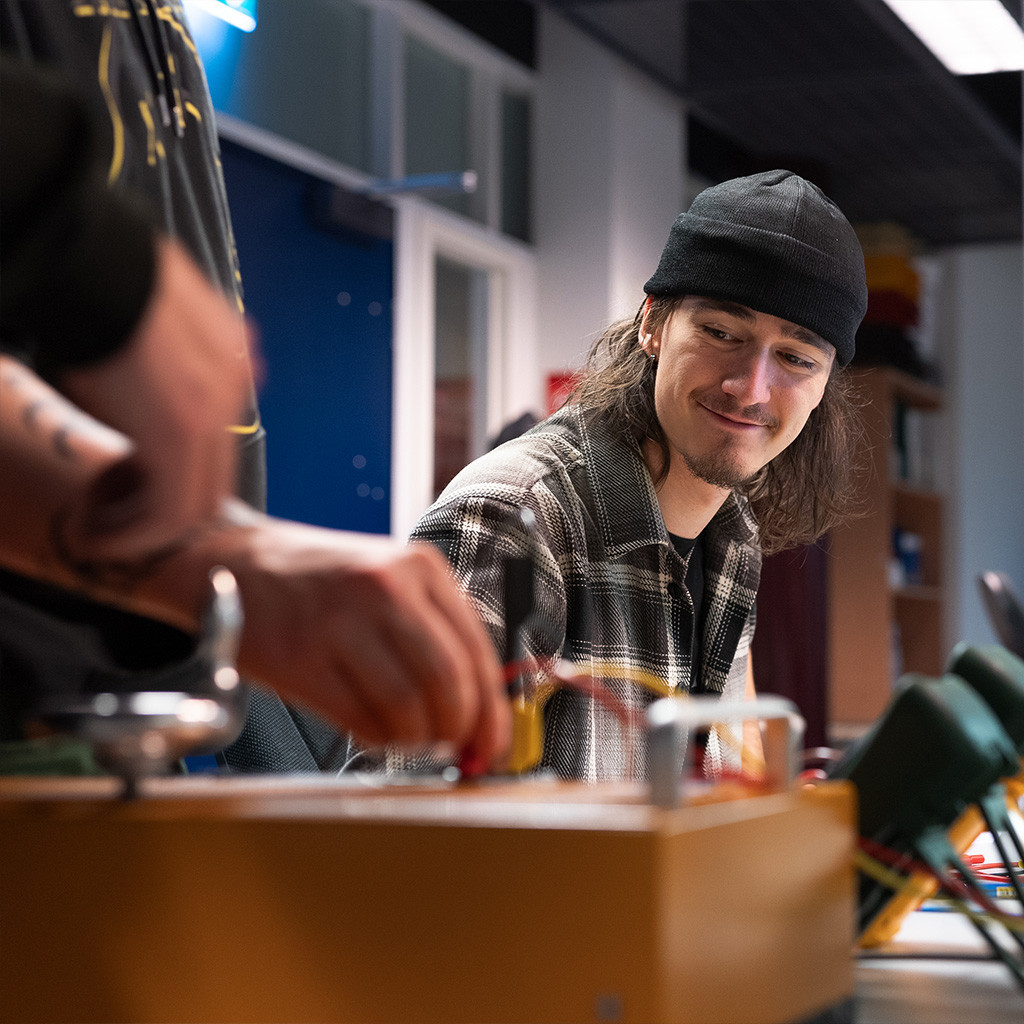
LUT-yliopiston sähkötekniikan opiskelijoita
left
right


The programme is accredited by international EUR-ACE® and ASIIN standards for high quality degree programmes in engineering. International accreditations demonstrate commitment to quality and the continuous development of education.

Why study electrical engineering?

left


Electricity plays a key role in mitigating global climate change. Renewable energy, the global revolution in energy production and the need to increase the efficiency of energy use provide electrical engineering professionals with jobs now and in the future. 

right


Electrical engineering is for you if you are not afraid of challenges, you are interested in how things work and you look forward to being part of the energy transition. As an expert in electrical engineering, you will have a great opportunity to contribute to the technological revolution and an electronic future. 

How to apply?

left

Apply to the programme through rolling admission: complete the online application form and submit required documents during the admission period.

If you meet all the requirements, you will receive admission without any competition, as long as there are places available. 

If you have any questions about applying, please contact [email protected].

  1. Check the admission requirements
  2. Prepare your documents
  3. Send out your online application
right

Degree structure and studies

left
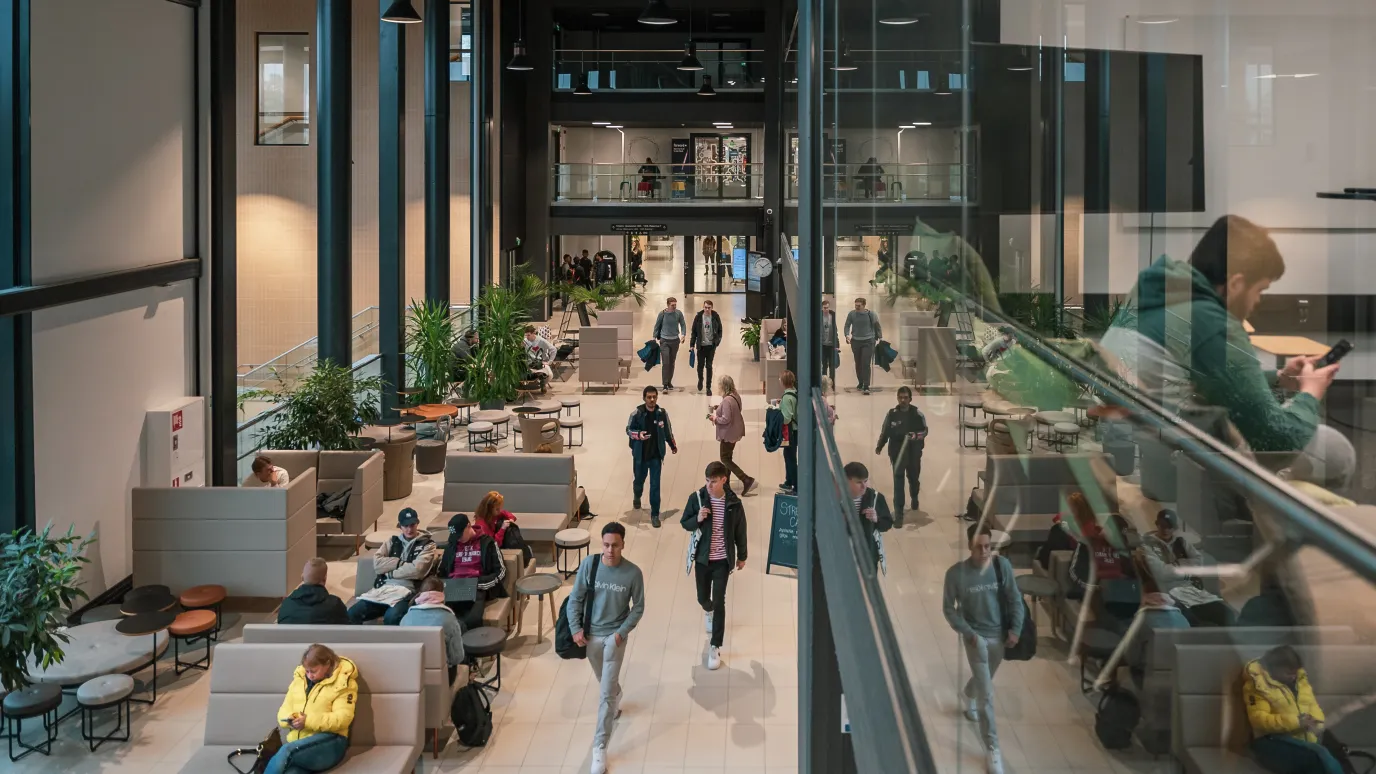
Ihmisiä LUTin viestintätieteiden luennolla
right

The Bachelor's Programme in Electrical Engineering leads to the degree of Bachelor of Science in Technology, B.Sc. (Tech.), which is 180 ECTS credits.

Intended learning outcomes and programme content in the current curriculum

Double degree

left

This is a double degree programme developed in cooperation with Hebei University of Technology (HEBUT) in China.

Students admitted to this bachelor's programme will receive a degree certificate from two universities after they have fulfilled the degree requirements of both universities. You will complete the entire degree in Lappeenranta, Finland.

right

What will you learn in the programme?

left

You will learn to understand how electrical energy is generated, transmitted and used, how electrical systems are controlled, and how the electricity market works. You will also learn to develop new electrotechnical equipment and systems.

Your studies will emphasise energy efficiency and the production and use of clean energy. This involves deep understanding of emerging technologies such as smart grids, wind and solar energy, electrical machinery, and automation and power electronics. You will develop an excellent understanding of the phenomena related to electricity and the operating principles of electrical engineering and electronics.

At the end of the programme, you will be able to use basic skills in mathematics and science and solve problems by applying suitable mathematical methods. You will be aware of the essential laws of physics and be able to apply them to various physical processes, understand physical phenomena and be able to solve problems related to them, describe simple dynamics systems using continuous time differential equations and simulate them, and use digital solving environments in the practical applications of the methods.

You will understand the principle of feedback control and be able to apply the basic methods of control engineering in devices and machines.

Guidelines on electrical safety will become familiar to you: you will learn about electrical installations and what to do if electrical accidents occur. You will also learn about electromagnetic compatibility.

 

right

Programme contents

  • digital electronics
  • mechatronics
  • electric circuit analysis
  • electrical drives
  • electrical power systems

How will you learn in the programme?

left

Most of your studies take place on campus during weekdays. Occasional online courses, as well as courses combining online and on-campus teaching, provide variety and flexibility to your study methods and schedule.

Your studies include

  • theoretical lectures
  • exercise sessions
  • company visits
  • projects
  • individual and group assignments
  • extensive laboratory work
right

Video: Bachelor's Programme in Electrical Engineering. If you can't see the video, try watching it on YouTube or changing your cookie settings.

What can you do with your degree?

left

Emerging energy systems, energy-efficient technology, smart grids, electrifying transport and the electricity market guarantee graduates of electrical engineering work now and in the future.

New experts are needed for product development, project engineering, sales and marketing, and management positions. Your job responsibilities may include, for example, the design, product development, technical sales or production management of electrotechnical equipment and its production.

There is also a growing need in the market for electrical trading engineers and electrical work managers. As private solar and wind power plants become more common, power plants are also experiencing a time of change. Thus, graduates of electrical engineering will have enough work in both industry and municipal positions.

right

Job options for graduates

  • Project engineer
  • Testing and automation engineer
  • Design engineer
  • Technical sales engineer
  • Electricity company engineer

Continue your studies in a master's programme

After completing a bachelor's degree, you can continue your studies in one of LUT’s master's programmes in electrical engineering. Each programme is 120 ECTS credits, and you will graduate within two academic years.

Four programmes are offered in English:

You can also apply separately to the Finnish-language master's programme Sähkötekniikan DIODI.

Quality of education

We are committed to providing high-quality education. International programme accreditations ensure the continuous development of our education and the international recognition of our graduates’ degrees. LUT University is one of the world’s top 300 universities in the Times Higher Education (THE) World University Rankings, which is one of the most highly regarded university ranking systems.

The integration of mechanical engineering, electrical engineering, energy technology, environmental technology, and IoT skills provides you an excellent foundation to compete for the most sought-after jobs in industries related to modern sustainable hybrid technology solutions. You will be working for a better future with the best companies.

See also