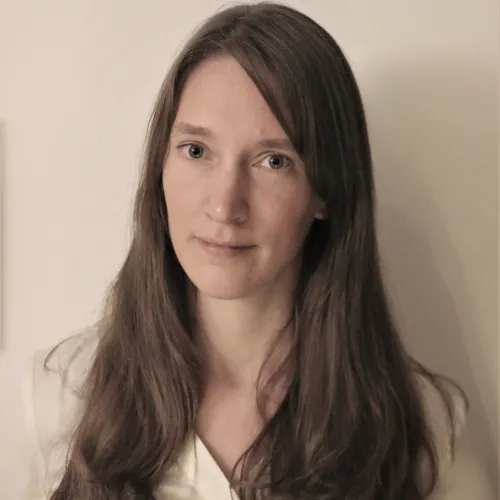

What are the hottest topics in sustainability science right now?
Quantitative biodiversity assessment is one of the fastest-growing areas in sustainability science. As we've studied climate change, it's become clear that biodiversity loss also poses a threat to life on this planet.
Biodiverse nature provides ecosystem services such as food provision, climate regulation, nutrient recycling, and pollination. Society heavily relies on these services. That’s why the degradation or collapse of ecosystems has a direct impact on our livelihoods.
Biodiversity loss occurs for many reasons, including land occupation, loss of natural habitats, and climate change. Species may not be able to adapt to new living conditions, which puts them at risk of extinction.
Agriculture is a major driver of biodiversity loss, because land use for agricultural purposes reduces natural habitats. Roughly half of the world's habitable land is currently used for agriculture. In the oceans, overfishing is a leading cause of biodiversity decline.
What research are you conducting and why is important for society?
I study how daily choices made by consumers and businesses impact biodiversity. For example, I've recently calculated how much biodiversity we lose because of the food we eat and identified where those losses occur globally.
The findings show that Finns have a substantial impact on biodiversity loss in tropical regions through the consumption of products like coffee, chocolate, and bananas. Livestock also puts a strain on the ecosystem, because growing feed crops requires far more land than producing plant-based foods.
I also study how we could be more sustainable in the way we grow our food. I'm especially interested in regenerative agriculture. Right now, we're developing methods to assess how different agricultural management systems affect biodiversity. The goal is to eventually be able to compare how different approaches affect nature. That will give us more reliable information on whether regenerative agriculture is truly more sustainable than conventional and intensive farming.
With the knowledge this research produces, I hope to provide consumers, businesses, and policymakers the information, motivation, and guidance they need to make smarter, more sustainable choices.
How did you end up pursuing an academic career?
I never planned on an academic career, but my interest in studying human environmental impacts kept growing. During my doctoral studies, I became fascinated by alternative agricultural methods and biodiversity. A few years later, I got to continue studying these topics as a post-doctoral researcher, and that path eventually led me to this new professorship, which is the first of its kind in Finland in biodiversity impact quantification.
What do you wish everyone understood about biodiversity?
Biodiversity loss affects every single one of us. All species are part of an ecosystem that provides humans with essential benefits and the fundamental conditions for life. That’s why protecting nature's diversity is so important.
For hundreds of millions of years, nature has developed solutions to many of the same challenges we're facing today, such as floods, droughts, wildfires, and pests. We can learn from nature and work together to build a more sustainable future – not just for ourselves but for all species.
What inspires you most in your work?
Finding solutions that are based on how nature itself works. Regenerative agriculture and permaculture are great examples of this.
It's especially motivating to think about how these approaches could be applied to agriculture on a larger scale. Working on these challenges gives me hope in moments when it feels like we're in a constant battle against nature. A fight against nature is a losing battle because we depend on it directly. If nature does well, we do well.
I believe we can live in harmony with nature, restore a lot of the damage we’ve done, and still produce enough food – as long as we keep deepening our understanding of how nature works.
Tell us something about yourself that others may not know.
I loved biology in high school and always got top grades in it. Even so, my guidance counsellor told me to drop my biology courses because there supposedly wouldn’t be any jobs in the field. I took that advice, and I’ve regretted it ever since.
Luckily, I eventually found my way back to the subject. I’m incredibly happy to now be working as an assistant professor focusing on biodiversity. I'm glad to have proven my guidance counsellor wrong: not only are there jobs in the field, but they’re also arguably some of the most important jobs out there right now.


More information: